Blog
How to Choose the Right Materials for a New Roof
The right roof material is about more than appearance
A roof covering needs to suit the building beneath it. The right choice depends on the roof pitch (the angle of the roof), the strength and condition of the supporting timbers (the wooden framework), the shape of the roof, the surrounding properties and how much maintenance you want to take on.
That is why choosing a material from a sample board alone can lead to the wrong result. At James Building & Roofing Cambs, we look at how those factors work together before recommending a specification. You can read the service overview on our New Roof Installation page, but the more useful question is how to decide between the main options.
Start with the structure and roof design
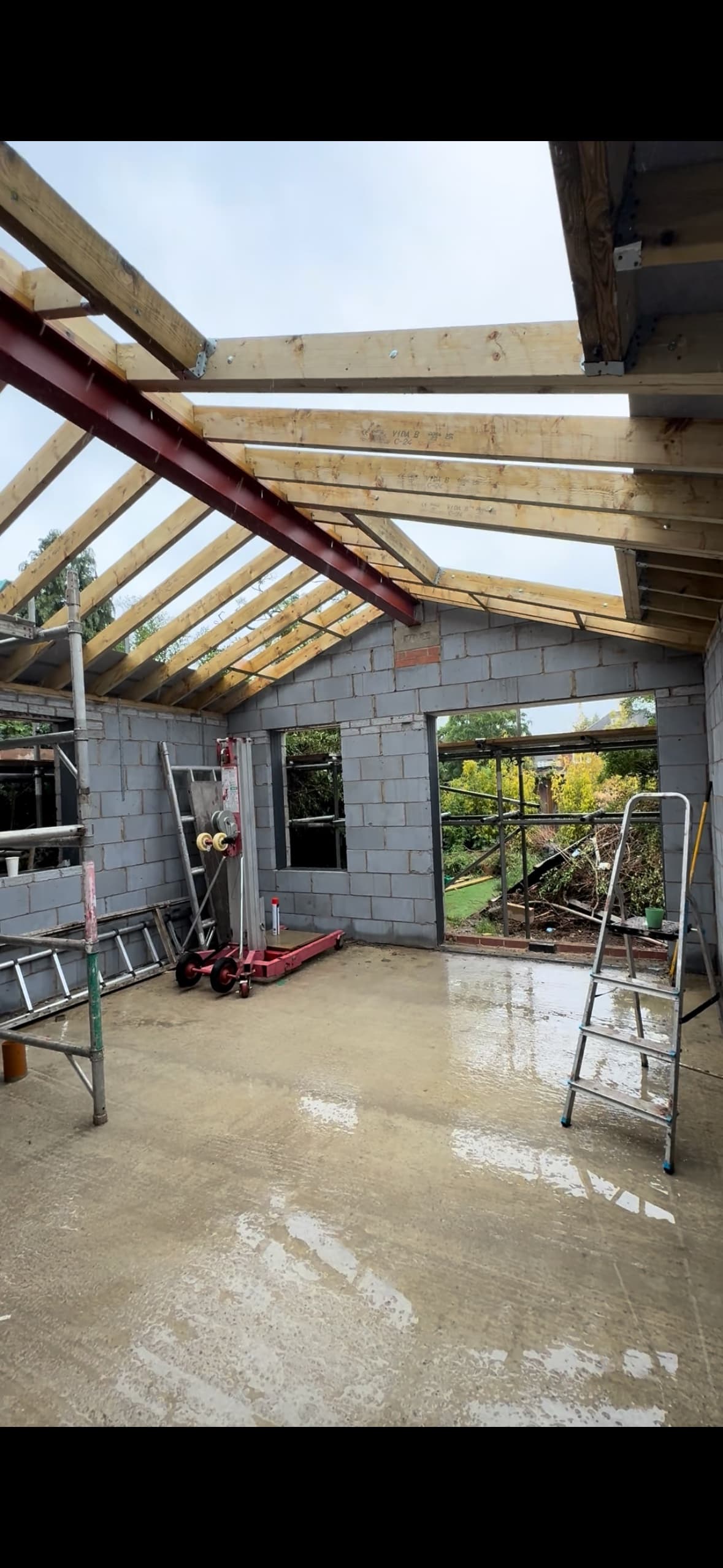
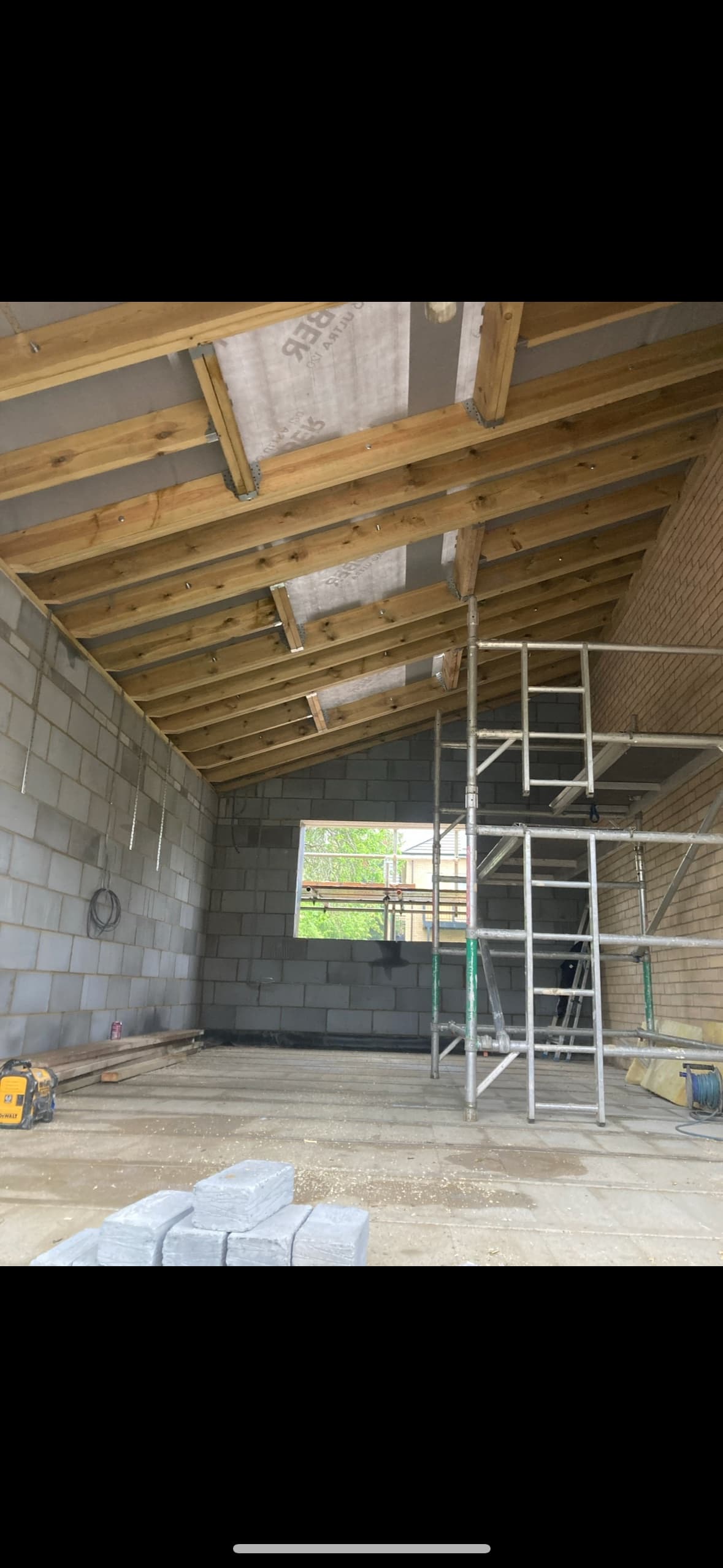
The existing or proposed roof structure places practical limits on the covering. Different materials have different weights, and older rafters may need attention before they can support a replacement roof. A new build still needs the roof design, span, pitch and supporting timbers to be considered as one system.
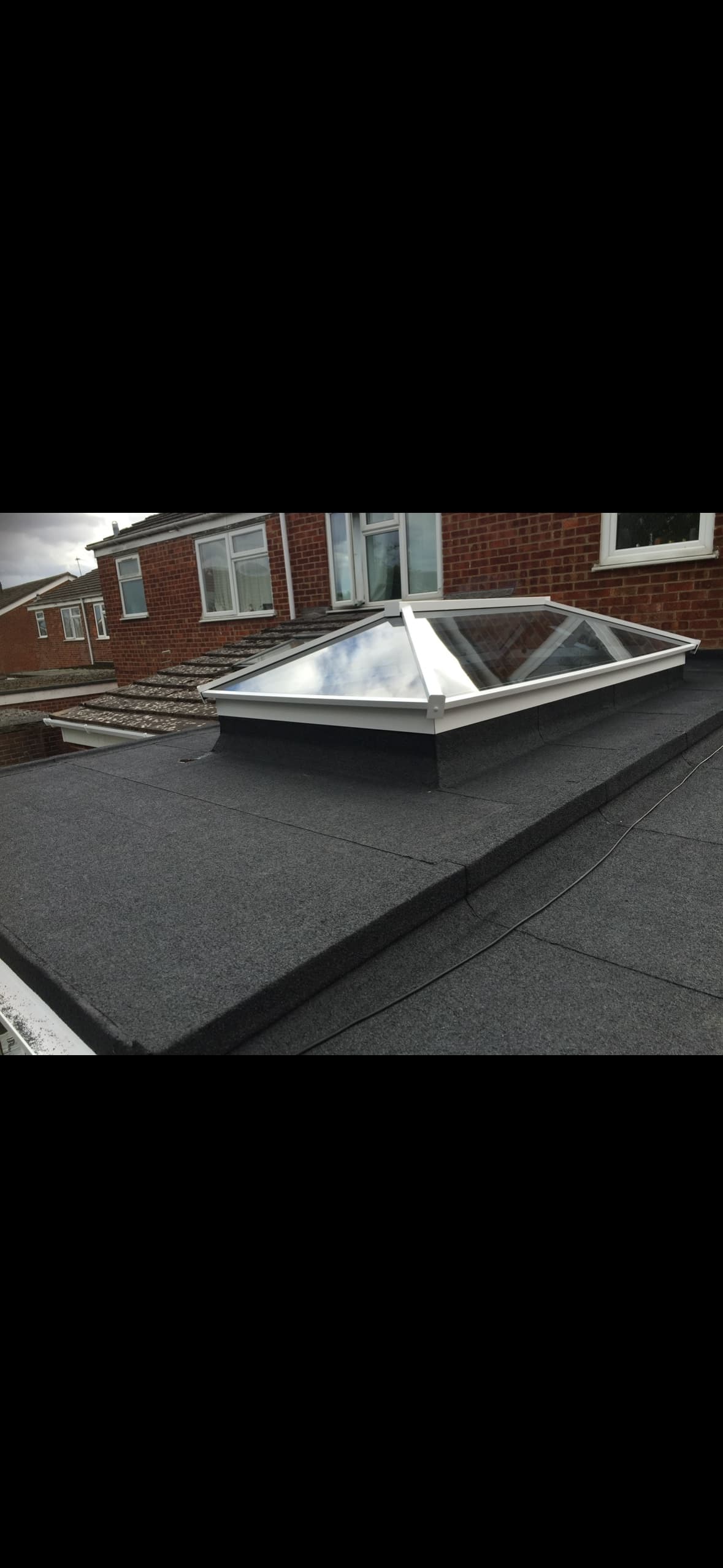
Roof shape matters too. A simple pitched roof gives more freedom than a roof with multiple hips, valleys, dormers and abutments. Every change in direction creates another area where water needs to be directed safely and where leadwork, flashing and tile cutting may affect the final appearance.
Before choosing a covering, we consider:
- Whether the roof structure is suitable for the intended material
- The pitch and geometry of the roof
- The position of valleys, chimneys, roof windows and wall junctions
- How the covering will connect with existing sections of roof
- The membrane, battens, insulation and ventilation details required beneath it
A material that looks appropriate in isolation may not be suitable once these details are taken into account.
Natural slate suits some properties, not every roof
Natural slate is often considered for period homes and properties where a thinner, more traditional appearance is important. It can work particularly well around historic parts of Cambridge and older villages across Cambridgeshire, where a heavy, modern-looking tile may appear out of place.
The decision is not purely visual. Slate is installed in overlapping rows, and the way it is secured, the slate size and the roof pitch all affect how the covering performs. The supporting structure must also be capable of carrying the finished roof safely. Slate can be a strong choice where the building and detailing are suited to it, but it should not be selected simply because the property is old.
We also look at the existing roofline. If adjoining roofs use a particular slate profile or colour, a close match can make extensions and re-roofing work look intentional rather than patched together.
Clay tiles bring character and a distinct finish
Clay tiles are worth considering where you want a traditional finish with variation in colour and texture. They can suit older brick properties, cottages and homes where the roof is a prominent part of the elevation.
Clay tiles are available in different profiles and finishes, so the key decision is how the tile sits with the building. A heavily textured profile may suit a rural property but look wrong on a clean-lined new build. Conversely, a plain tile can create a more restrained appearance where the brickwork and architectural details already provide visual interest.
The roof pitch and the arrangement of the tiles are important. The eaves, verges, ridges and abutments, meaning the roof edges, top and points where it meets another surface, need to be detailed correctly so the finished covering sheds water as intended. Small choices in those areas can have a bigger effect on the result than the tile colour itself.
Concrete tiles can be practical for modern homes
Concrete tiles offer a broad choice of profiles and colours. They are commonly considered for modern homes, larger roof areas and projects where a consistent manufactured finish is wanted.
Again, the product must match the roof design. Tiles designed to lock together can create a clean appearance on suitable pitched roofs, while individual plain tiles give a more traditional pattern. The roof pitch, tile specification and detailing at the edges all need to be checked together. Some profiles are more suitable for straightforward roof shapes, while complex roofs may require careful planning around cuts and junctions.
Colour should be judged against the brickwork, render, windows and neighbouring properties, not just under artificial lighting in a showroom. Samples viewed at the property can reveal whether the finish will look too stark, too dark or mismatched once it is alongside the rest of the building.
Think about the whole roof build-up
A long-lasting roof is not created by the outer covering alone. Beneath the slate or tile, the protective membrane, the wooden battens that support the covering, insulation, ventilation and timber structure all play a part. Flashings around chimneys and walls, leadwork at junctions and the way water is carried into gutters are equally important.
This is where a cheaper-looking material choice can become a poor decision if it forces unsuitable alterations elsewhere. The roof may need additional structural work, revised ventilation or more complex detailing. We set out those implications during the specification stage so you understand what is being proposed and why.
Choosing with the property in mind
For a period property in Cambridge, local character and roof weight may be the deciding factors. For a new build, the architectural design, drainage details and intended finish may carry more weight. For a full re-roof, matching or improving the existing roofline can be as important as selecting a new covering.
There is no universal best material. The sound approach is to compare suitable options against the structure, pitch, appearance and detailing of your particular roof. If you are planning a new roof in Cambridge, contact us to discuss the property and request a clear quotation based on the actual scope of work.
Other Articles